What Is a Hydraulic Load Test and Why Does My Lender Want One?
If you’re buying a vacant home with a septic system, someone in the transaction may ask for a test you’ve never heard of. Here’s what it actually measures and why a standard inspection isn’t always enough.
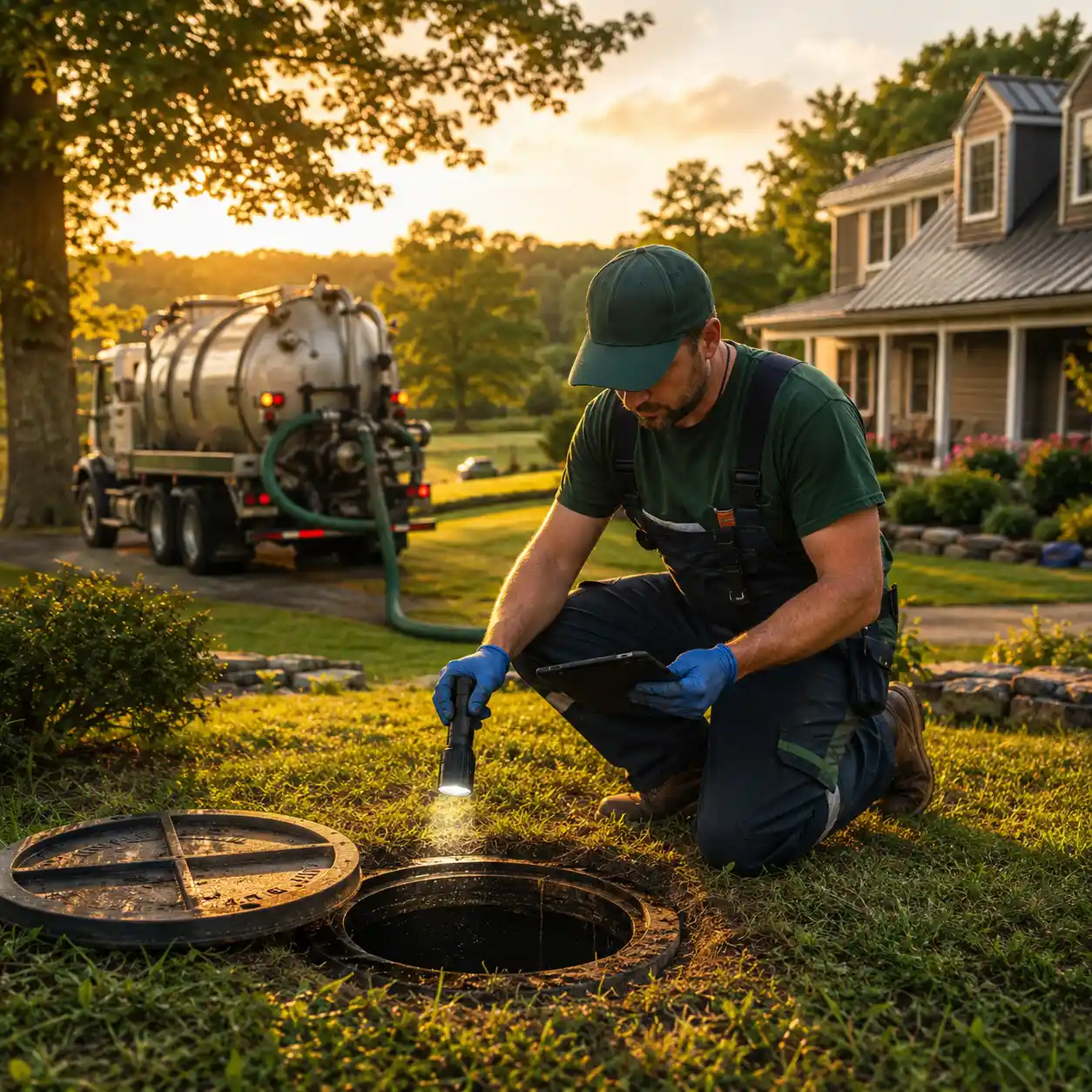
The Problem With Testing a Vacant System
A standard septic inspection is a snapshot — it checks tank condition, measures sludge and scum, and evaluates the drain field as it exists in that moment. That works well for an occupied home under normal daily use. It works less well for a home that’s been sitting empty, because a system that hasn’t processed any wastewater in weeks can look perfectly fine on a quick check while hiding a drain field that would struggle under real, sustained use.
A hydraulic load test solves that by simulating what actual occupancy looks like, rather than relying on a system’s resting state to tell the whole story.
What the Test Actually Measures
Here’s a general reference for how the process typically works, though specifics can vary by lender and by the individual system being tested.
Exact protocols, required volumes, and testing duration vary by lender requirement and by the property itself — this is a general overview, not a fixed procedure.
Buying a vacant property with a septic system?
We can arrange a hydraulic load test to satisfy your lender’s requirements.
Ask About Hydraulic Load Testing
Serving Reading and all of Greater Reading.
Why Lenders Ask for This Specifically
From a lender’s perspective, a septic system is collateral risk. A drain field that fails within the first year of a new owner moving in is a foreseeable, expensive problem, and a resting-state inspection on a vacant home doesn’t fully rule that out. A hydraulic load test gives a lender more confidence that the system will actually perform once real daily use resumes, not just that it looked fine when nobody was flushing anything.
This tends to come up specifically for foreclosures, estate sales, and properties that have sat on the market for a while — situations where extended vacancy is common and a lender has less context on the home’s recent condition than they would with a typical owner-occupied sale.
What Happens If the System Doesn’t Pass
A failed load test isn’t necessarily the end of a deal — it’s information that gets factored into negotiations, the same way any other inspection finding would be. Sometimes it points toward a distribution box repair rather than a full field issue; sometimes it confirms a bigger problem that needs to be addressed before or after closing. Either way, having it documented in writing, with specific findings rather than a vague pass or fail, gives everyone involved something concrete to work from.
If you’re working against a closing deadline, flag that when you schedule — testing takes place over multiple days by design, so it’s worth building the timeline in early rather than adding it as an afterthought close to your closing date.
Schedule a Hydraulic Load Test
Tell us your closing timeline and lender requirements, and we’ll follow up to schedule.
- Baseline inspection included
- Multi-day simulated load testing
- Written results for your lender
- Scheduled around closing deadlines
- Serving all of Greater Reading
Tell Us About Your Needs
We’ll reach out to confirm your appointment details.